
Ultimate Uttarakhand Travel Guide (2026 Edition)
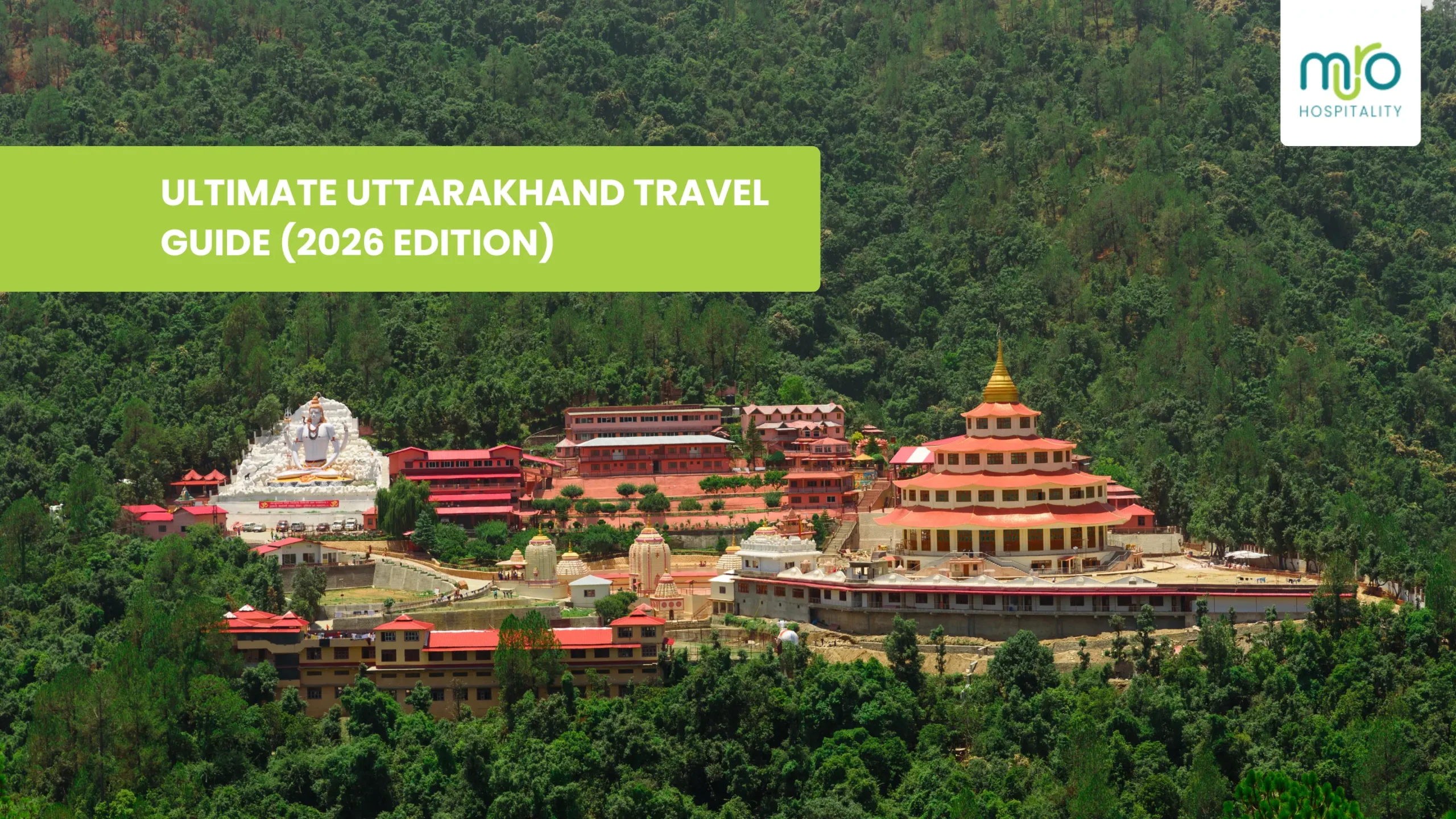
Planning a trip to the mountains means dealing with tricky roads, changing seasons, and long travel hours between the Kumaon and Garhwal sides. This guide skips the fancy sales talk to give you practical plans, real costs, transport tips, and honest safety warnings.
Quick Facts Table- Uttarakhand Travel Guide
| Parameter | Practical Realities & Details |
| Main Regions | Kumaon (East) and Garhwal (West). Driving from one side to the other takes 7 to 9 hours. |
| Main Travel Hubs | Dehradun (Flight/Train) and Haridwar/Rishikesh (Train) for Garhwal; Kathgodam (Train) and Pantnagar (Flight) for Kumaon. |
| Peak Tourist Months | April to June (Heavy summer rush); October to February (Clear winter skies and snow). |
| Monsoon Risk Months | Mid-July to September. High risk of landslides on main highways. |
| Average Budget (Mid-Range) | ₹4,500 – ₹7,500 per day per couple (Includes decent stays, private taxi, and local meals). |
| Average Budget (Premium) | ₹15,000 – ₹35,000 per day per couple (Includes premium luxury resorts, independent villas, and a dedicated car). |
| Permits Needed | Required for high-altitude treks, border areas (Niti Valley, Harsil), and certain national parks. |
Introduction: The Reality of Devbhoomi- Uttarakhand Travel Guide
Planning a trip to Uttarakhand can feel a little confusing, especially if it’s your first visit. With so many tourist spots, changing weather, winding mountain roads, and different travel routes, it’s easy to get overwhelmed. That’s why we’ve put together this practical guide to help you plan your journey better. From choosing the best time to visit and finding the right hotels to estimating your budget and avoiding common travel mistakes, you’ll find everything you need in one place.
Most travel brochures paint Uttarakhand as an easy weekend getaway where clear mountain views await outside every hotel window. If you head up into the hills with that expectation, the reality of dense traffic jams outside Mussoorie, broken mountain roads during rains, or the sheer exhausting distances between towns can catch you off guard. Uttarakhand, widely referred to as Devbhoomi, is huge, has complicated roads, and is deeply rewarding if planned properly. The views change from the flat, warm plains of the Terai belt up to the towering, cold peaks of the Higher Himalayas.
During my visits across the state, I noticed that the most common reason trips fall apart is over-scheduling. Travelers try to club Nainital and Rishikesh into a single four-day weekend, spending most of their holiday stuck inside a vehicle on winding roads. Planning a successful trip requires choosing a specific side, checking the actual road conditions, and keeping in mind the weather shifts that change life in the hills.
Understanding the Areas: Kumaon vs. Garhwal
Uttarakhand is split into two main sections: Garhwal and Kumaon. They look different, have unique local dialects, and require different travel plans.
The Garhwal Region (West)
Garhwal has steep hills, deep river valleys, and the highest snow peaks in the state. It is home to the Alaknanda and Bhagirathi rivers, which join to form the Ganga.
- The Vibe: High-energy, deeply spiritual, and adventure-focused.
- Key Hubs: Dehradun, Rishikesh, Haridwar, Uttarkashi, Joshimath.
- Major Attractions: The Char Dham yatra (Yamunotri, Gangotri, Kedarnath, Badrinath), Valley of Flowers, Auli, and Chopta.
- Terrain Reality: Roads are carved out of steep mountain walls. Landslide risks are quite high here, especially near the main rivers during the rainy season.
The Kumaon Region (East)
Kumaon is full of rolling hills, terraced farms, thick oak and pine forests, and a network of freshwater lakes.
- The Vibe: Slow-paced, quiet, and deeply forested.
- Key Hubs: Haldwani, Kathgodam, Almora, Pithoragarh.
- Major Attractions: Nainital, Bhimtal, Ranikhet, Binsar Wildlife Sanctuary, Kausani, and Munsiyari.
- Terrain Reality: Generally gentler slopes than Garhwal. Roads are slightly wider and don’t close as often, though remote valleys still require careful driving.
Our Personal Advice: Do not try to cross from Garhwal to Kumaon unless you have at least 9 to 10 days for your trip. The mountain shortcut between Srinagar (Garhwal) and Almora (Kumaon) is long, narrow, and very tiring.
Best Time to Visit: The Honest Seasonal Breakdown
April to June (Summer Season)
- What to Expect: Clear mountain views in the morning, pleasant daytime temperatures (20°C to 30°C in mid-altitude towns), and blooming wild flowers.
- The Downside: Massive crowds. The popular hill stations face terrible parking shortages and very high hotel rates. The Char Dham yatra routes experience severe traffic jams.
- Best For: High-altitude treks and families looking to escape the heat of the plains.
July to September (Monsoon Season)
- What to Expect: The mountains turn bright green, waterfalls are full, and premium hotels offer big off-season discounts. The Valley of Flowers blooms during this time.
- The Downside: High safety risks. Cloudbursts, flash floods, and landslides can block main highways for hours or days. Adventure sports like rafting are closed down.
- Best For: Experienced solo travelers, budget explorers, and quiet stays at self-contained resorts.
October to November (Autumn Window)
- What to Expect: This is probably the best time to explore. The post-monsoon air is incredibly clean, giving sharp, open views of the Trishul, Nanda Devi, and Chaukhamba peaks. Temperatures drop nicely at night.
- The Downside: High-altitude mountain passes start getting very cold, and local homestays without heaters can become uncomfortable.
- Best For: Photographers, road trippers, and couples.
December to March (Winter Season)
- What to Expect: Freezing nights in high areas, heavy snow across places like Auli, Chopta, and Dhanaulti, and quiet, empty forest trails.
- The Downside: Black ice on high-altitude roads makes driving dangerous after sunset. Sudden road blockages due to heavy snow are common near Joshimath and Munsiyari.
- Best For: Snow lovers and luxury travelers looking to sit by a cozy fireplace.
Transport Tips: How to Reach and Plan Your Route
By Air
The state has two working commercial airports. Jolly Grant Airport (DED) in Dehradun is the main entry point for the Garhwal side, with regular flights to Delhi, Mumbai, and Bengaluru. For Kumaon, Pantnagar Airport (PGH) handles a few daily flights, mostly from Delhi. If flying into Pantnagar, book a private cab before you land, as on-the-spot transport options are limited.
By Rail
Train travel is the most reliable option for budget and mid-range travelers.
- Garhwal Hubs: Dehradun (DDN), Haridwar (HW), and Yog Nagari Rishikesh (YNRK). The Shatabdi and Vande Bharat trains from New Delhi are great choices.
- Kumaon Hubs: Kathgodam (KGM) is the final station. From Kathgodam, shared taxis and private cars to Nainital, Bhimtal, and Almora are easily available right outside the gates.
Road Conditions & Self-Driving Realities
Driving on mountain roads requires good practice. The main Char Dham Highway (NH-7) is wide and well-made in many parts, but ongoing mountain repair work means sudden gravel stretches and diversions are common.
If you are renting a car or bringing a low-clearance small car from the plains, be very careful. Roads in interior areas—like the stretch connecting Ukhimath to Chopta or the climbs up to Binsar—are narrow, single-lane paths where you have to reverse to give way to heavy trucks.
Simple Itineraries: Balanced 7-Day Templates
Option A: The Kumaon Woods & Lake Route (7 Days)
- Day 1: Arrive at Kathgodam station. Drive up to Bhimtal (about 1.5 hours). Spend a quiet afternoon by the lake.
- Day 2: Bhimtal to Almora via Jageshwar Dham. Explore the old stone temples hidden inside thick pine woods.
- Day 3: Almora to Binsar Wildlife Sanctuary. Check into a forest eco-lodge. Hike to Zero Point for sunset.
- Day 4: Binsar to Kausani. Watch the sunrise over the massive Kumaon mountain range from your balcony.
- Day 5: Kausani local sightseeing. Walk through the old tea gardens and visit local shawl weaving shops.
- Day 6: Kausani to Mukteshwar. Quiet orchards, old colonial homes, and high rock formations at Chauli Ki Jali.
- Day 7: Mukteshwar down to Kathgodam for your return train back to Delhi.
Option B: The Garhwal Adventure & Relaxation Route (7 Days)
- Day 1: Arrive at Dehradun airport/railway station. Drive straight to Rishikesh (Tapovan or Narendra Nagar area).
- Day 2: Rishikesh exploration. Early morning yoga, followed by river rafting (seasonal) and the evening Ganga Aarti at the ghats.
- Day 3: Rishikesh to Chopta via Rudraprayag (about 5.5 hours). Watch the beautiful meeting point of the Alaknanda and Mandakini rivers along the way.
- Day 4: Trek to Tungnath Temple (the highest Shiva temple) and continue up to Chandrashila Peak. Return to Chopta for an overnight stay in a meadow camp.
- Day 5: Chopta to Landour/Mussoorie via Chamba. Skip the crowded Mussoorie Mall Road; head straight up into the quiet lanes of Landour.
- Day 6: Landour local walking trails. Walk the peaceful loop of the Gol Ghar trail, stop by Sister’s Bazaar for local bakery treats, and explore the Jabarkhet nature trails.
- Day 7: Landour down to Dehradun airport for your flight back.
Places to Visit: Vetted Regional Highlights
1. Rishikesh & Narendra Nagar (Garhwal)
Rishikesh is no longer just a pilgrim town. It is now a lively mix of café culture, wellness stays, and adventure sports. Narendra Nagar, sitting on the ridge above Rishikesh, has some of the finest luxury spa properties.
- Pros: Great local cafés, professional rafting guides, and high-end wellness stays.
- Cons: Terrible traffic jams near the main bridges during long weekends.
- Food Tip: Skip the regular multi-cuisine menus; try the local wood-fired pizzas and fresh juices in the Tapovan lanes.
2. Landour (Garhwal)
A quiet cantonment town that feels completely separate from its busy neighbor, Mussoorie. With strict building laws and limited shops, it keeps its old-world charm.
- Pros: Clean oak forests, beautiful walking loops, and a peaceful environment.
- Cons: Very limited parking. Outside cars are often stopped at the lower checkpoints during busy summer days.
- Hidden Gem: The quiet, dirt walking path leading toward Kellogg’s Church, beautiful when the morning mist rolls through the trees.
3. Chopta Valley (Garhwal)
Often used as a base camp for trekkers, Chopta is a wide alpine meadow surrounded by thick pine and rhododendron forests. It offers raw, close-up views of the snow peaks.
- Pros: Unspoiled natural meadows, minimal concrete buildings, and clear starry night skies.
- Cons: No main electricity grid. Most camps and homestays run entirely on solar power or backup generators, so phone charging and hot water are timed.
- Safety Note: The trek up to Tungnath can get covered in thick, slippery snow from late December through March. Good snow spikes or high-grip shoes are highly recommended.
4. Binsar Wildlife Sanctuary (Kumaon)
Perched high up on the hills, Binsar is a thick forest reserve filled with oak and pine trees. The forest turns lush and mossy during the rainy season, making it an excellent spot for birdwatchers.
- Pros: Deep, quiet woods, great birdwatching, and panoramic mountain views.
- Cons: Forest department entry fees apply per vehicle and per person daily. Mobile network inside the main forest is weak or non-existent.
- Local Insight: Stay at the old heritage forest estates located inside the sanctuary limits to experience quiet hospitality away from the crowds.
5. Bhimtal & Naukuchiatal (Kumaon)
These quiet lake towns offer a peaceful alternative to Nainital, which remains crowded all year. The mist hanging low over these deep blue lakes creates a calm setting for morning walks and boat rides.
- Pros: Peaceful waterfront stays, kayaking, and less crowded lakeside walks.
- Cons: Limited shopping markets and practically no nightlife options after 8:30 PM.
- Food Recommendation: Fresh lake fish curries served at small, roadside Kumaoni dhabas along the water’s edge.
Accommodation Choice: Camps, Homestays, and Luxury Resorts
Choosing the right base makes all the difference when traveling through the hills. Uttarakhand has a wide choice of stays, from rustic village homestays to high-end heritage hideaways.
| Destination Region | Accommodation Type | Operational Reality & Highlights | Target Traveler Profile |
| Rishikesh / Landour | Restored Heritage Manor Houses & Luxury Spa Resorts | Indoor stone fireplaces, private warm plunge pools, and local wellness therapies. | Luxury Travelers & Couples |
| Bhimtal / Naukuchiatal | Lakeside Stays & Homestays | Large glass windows overlooking the water, home-cooked local meals, and private lawns. | Families & Slow Travelers |
| Binsar Sanctuary | Low-Impact Eco-Lodges | Off-the-grid, solar-powered wooden cottages built deep inside dense oak woods. No TVs, focus on nature. | Nature Lovers & Solo Travelers |
| Chopta / Wilderness Valleys | Alpine Tents & Camps | Comfortable glamping setups with attached running-water washrooms and heavy blankets. | Adventure Travelers & Trekkers |
A Note on Easy Travel: If you want to avoid the headache of managing individual bookings, coordinating private mountain taxi drivers, and checking road updates daily, booking a professionally managed tour package can save time and make the trip much more comfortable.
Financial Planning: Real Costs and Budgeting Tips
Mid-Range Budget Breakdown (Per Day for a Couple)
- Accommodation (Boutique Homestay/3-Star Hotel): ₹3,000 – ₹5,000
- Transport (Private Sedan with Mountain Driver): ₹3,500 – ₹4,500
- Meals (Local Dhabas & Small Cafés): ₹1,500 – ₹2,500
- Activities (Guides, Entry Permits, Boat Rides): ₹800 – ₹1,500
Premium & Luxury Budget Breakdown (Per Day for a Couple)
- Accommodation (5-Star Luxury Resort/Private Villa): ₹18,000 – ₹45,000
- Transport (Premium SUV/Innova Crysta with Experienced Driver): ₹6,000 – ₹8,000
- Meals (Fine Dining & In-Resort Meals): ₹4,000 – ₹8,000
Smart Budget Tips
- Book Taxis Directly at Hubs: Instead of booking a taxi from Delhi for the whole trip, take a train to Kathgodam or Dehradun and hire a local union taxi right outside the station. Local mountain drivers handle the tricky curves better and are often cheaper.
- Travel During the Shoulder Months: Visiting in early July or late September offers a great balance. You get the lush green views of the monsoon, but hotels still run deep discounts before the autumn rush.
Culture, Food, and Local Nuances
The local mountain culture is deeply connected to nature, changing seasons, and village shrines. The people are incredibly warm, honest, and respectful of the hills. Showing the same respect ensures a welcoming experience throughout your trip.
Garhwali Dishes
- Kafuli: A thick, green dish made from fresh spinach, fenugreek leaves, and local mountain spices, cooked in iron Kadhai and paired with hot rice.
- Phaanu: A rich, comforting gravy made by blending multiple local dals that are soaked overnight and slow-simmered.
Kumaoni Dishes
- Bhatt Ki Churkani: A hearty soup made from local black soybeans, thickened with a touch of roasted flour and seasoned with mountain herbs.
- Aloo Ke Gutke: Parboiled mountain potatoes stir-fried with mustard oil, red chilies, and jahiya (wild mountain seeds that give a distinct crunch).
- Bal Mithai: The famous sweet of Almora. It is a dark, slow-cooked chocolate-like sweet made from khoya, wrapped in tiny white sugar balls.
Safety, Common Mistakes, and Responsible Tourism
Crucial Safety Tips
- Avoid Driving Post-Sunset: Mountain visibility drops very fast due to sudden fog, and unlit roads make spotting broken edges or unexpected falling rocks difficult. Plan your travel to reach your hotel before 5:00 PM.
- Monitor the USDMA Portal: Before heading deep into the higher routes like Joshimath, Uttarkashi, or Dharchula, check real-time weather and road updates on the official Uttarakhand State Disaster Management Authority platform.
Common Tourist Mistakes
- Relying Entirely on Online Maps: Digital map apps calculate travel times based on flat roads. A 100-kilometer drive in the mountains rarely takes two hours; factor in at least 3.5 to 4 hours due to narrow curves, steep climbs, and slow moving trucks.
- Ignoring Altitude Adjustment: When heading up to high points like Kedarnath (3,583 m) or Hemkund Sahib (4,329 m), climbing too fast can trigger mountain sickness. Take a dedicated rest day at mid-altitude towns like Guptkashi or Joshimath to adjust.
Responsible Tourism Blueprint
- Say No to Plastic Bottles: Plastic waste management is a major headache for fragile mountain areas. Carry a reusable bottle and fill it up at your homestay rather than buying multiple plastic bottles along the way.
- Support Local Families Directly: Whenever possible, choose authentic, locally-owned camps and homestays in uttarakhand. Buy your organic dals, wild honey, and hand-woven shawls directly from village shops to ensure your money directly supports the mountain people.
Key Takeaways
- Choose One Side: Focus on either Kumaon or Garhwal if you are traveling for less than a week. Do not rush through both.
- Trust Local Taxi Drivers: Local drivers know the sharp curves and road realities far better than drivers from the plains.
- Pack for the Cold: Even in peak summer, high points like Chopta or Binsar require a light jacket or fleece for the evenings.
- Respect the Weather: Check official weather forecasts regularly and stay flexible with your travel dates during the rainy months.
Conclusion
Exploring the valleys and high trails of Uttarakhand reveals the raw, majestic beauty of the Indian Himalayas. By choosing the right side for your trip days, setting realistic driving goals, and traveling responsibly, you ensure a smooth and memorable journey.
Plan your mountain holiday carefully. For detailed tourist spot breakdowns, custom itineraries, and verified selections of the best hotels in uttarakhand, explore our library of expert travel resources on MURO Hospitality.
Questions and Answer (Q&A)-
1. Which region is better for a family holiday: Kumaon or Garhwal?
Kumaon is generally better suited for relaxed family holidays, especially those with elderly members or young kids. The slopes are gentler, the drives between towns are shorter, and towns like Bhimtal, Ranikhet, and Almora offer peaceful lakeside walks, fruit orchards, and wide golf courses without strenuous high-altitude trekking.
2. What are the best hill stations in uttarakhand to avoid heavy tourist crowds?
If you want to skip the crowded streets of Nainital and Mussoorie, choose quieter locations like Landour, Binsar Wildlife Sanctuary, Pangot, Khirsu, or Kanatal. These spots offer pristine forests, quiet walking trails, and premium boutique homestays without the commercial rush.
3. Is it safe to plan a self-drive road trip from Delhi to Rishikesh?
Yes, driving from Delhi to Rishikesh is smooth, thanks to well-paved national highways. However, once you venture beyond Rishikesh into higher zones like Chopta or Joshimath, the roads narrow down significantly. If you lack prior experience handling steep mountain hairpin bends, hiring a local professional driver is a safer choice.
4. What are the essential items to pack for a winter trip to Auli?
A winter trip to Auli demands serious cold-weather gear. Pack high-quality thermal base layers, a wind-proof heavy down jacket, waterproof trekking shoes with good grip, woolen gloves, insulated socks, and sunglasses to protect against the sharp glare of the sun on snow.
5. How can I find authentic camps and homestays in uttarakhand?
Look for properties registered with the state tourism board’s homestay schemes or choose independently run heritage estates in interior villages. True homestays are managed directly by local families, feature home-cooked traditional meals, and offer deep insights into local customs.
6. When is the white-water rafting season functional in Rishikesh?
Commercial white-water rafting in Rishikesh runs from late September through June. The activity is suspended from July to mid-September due to high water levels and mud accumulation during the monsoon rains.
7. How many days are ideally required to explore the Kumaon lake circuit?
A balanced trip through the primary Kumaon lake circuit (Bhimtal, Naukuchiatal, and Sattal), including a quick detour to Almora or Mukteshwar, requires at least 5 to 6 days. This allows you to travel at a relaxed pace without spending all your time on the road.
8. What is the average cost of a premium luxury holiday in Uttarakhand?
A premium, curated holiday featuring luxury resorts, standalone boutique villas, and private SUV transport typically ranges between ₹20,000 and ₹35,000 per night per couple. This varies based on your choice of specialty spa properties or secluded heritage manor stays.
9. What are the most popular traditional dishes I must try?
Do not leave without trying Kafuli (a rich, spiced leafy green puree) and Phaanu in the Garhwal region. On the Kumaon side, try Bhatt Ki Churkani (a comforting black bean soup), Aloo Ke Gutke paired with local mint chutney, and the iconic Bal Mithai from Almora.
10. Do mobile networks and internet connections work reliably in remote valleys?
Primary towns like Dehradun, Rishikesh, Haridwar, and Nainital have reliable 4G and 5G connectivity across all major service providers. However, deeper inside forested sanctuaries like Binsar or high grasslands like Chopta, signals can be weak or drop entirely.
One Comment